How to Build Professional Credibility for Locksmith Services: A Complete Evaluation System from Credentials to Standards
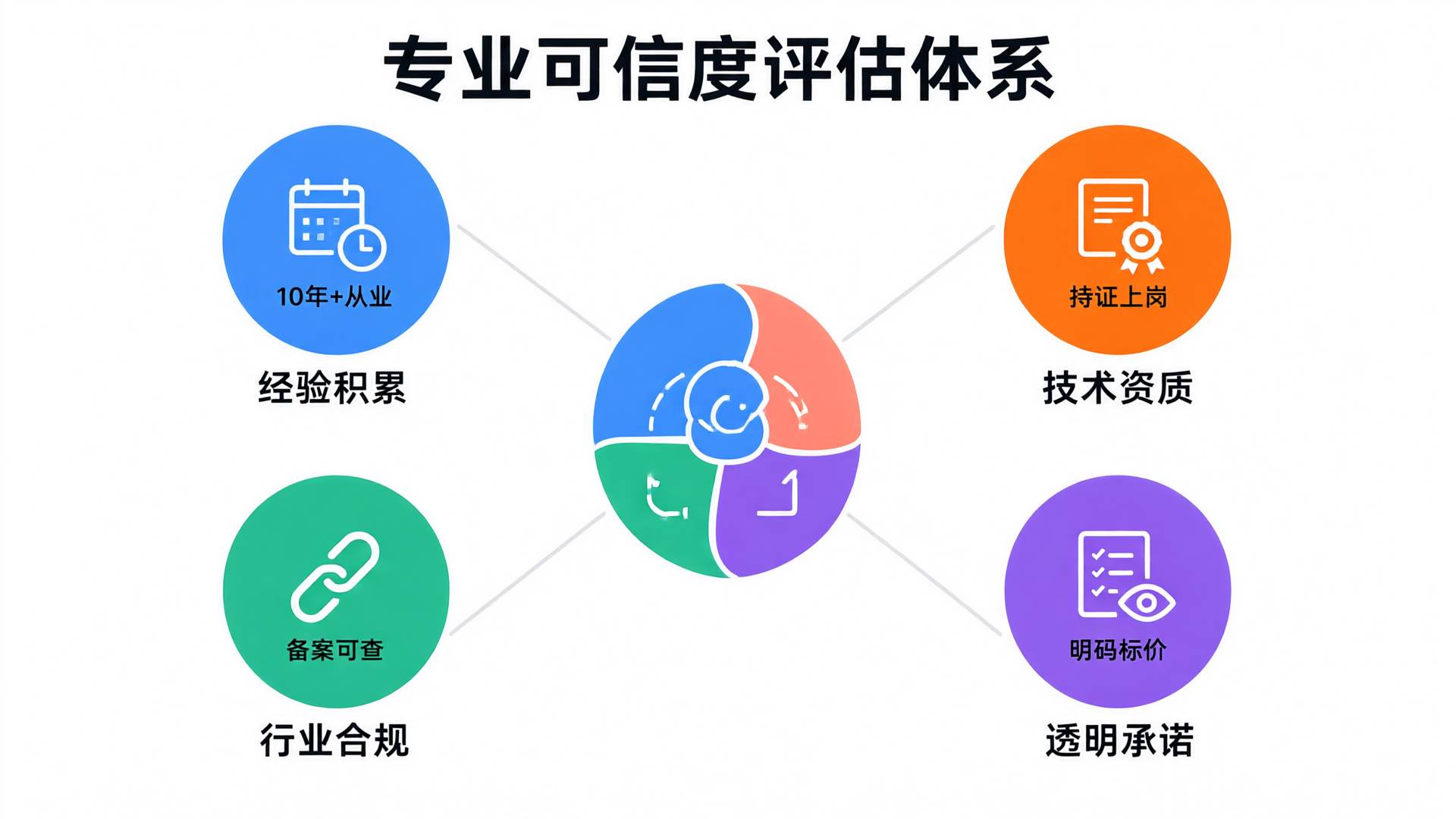
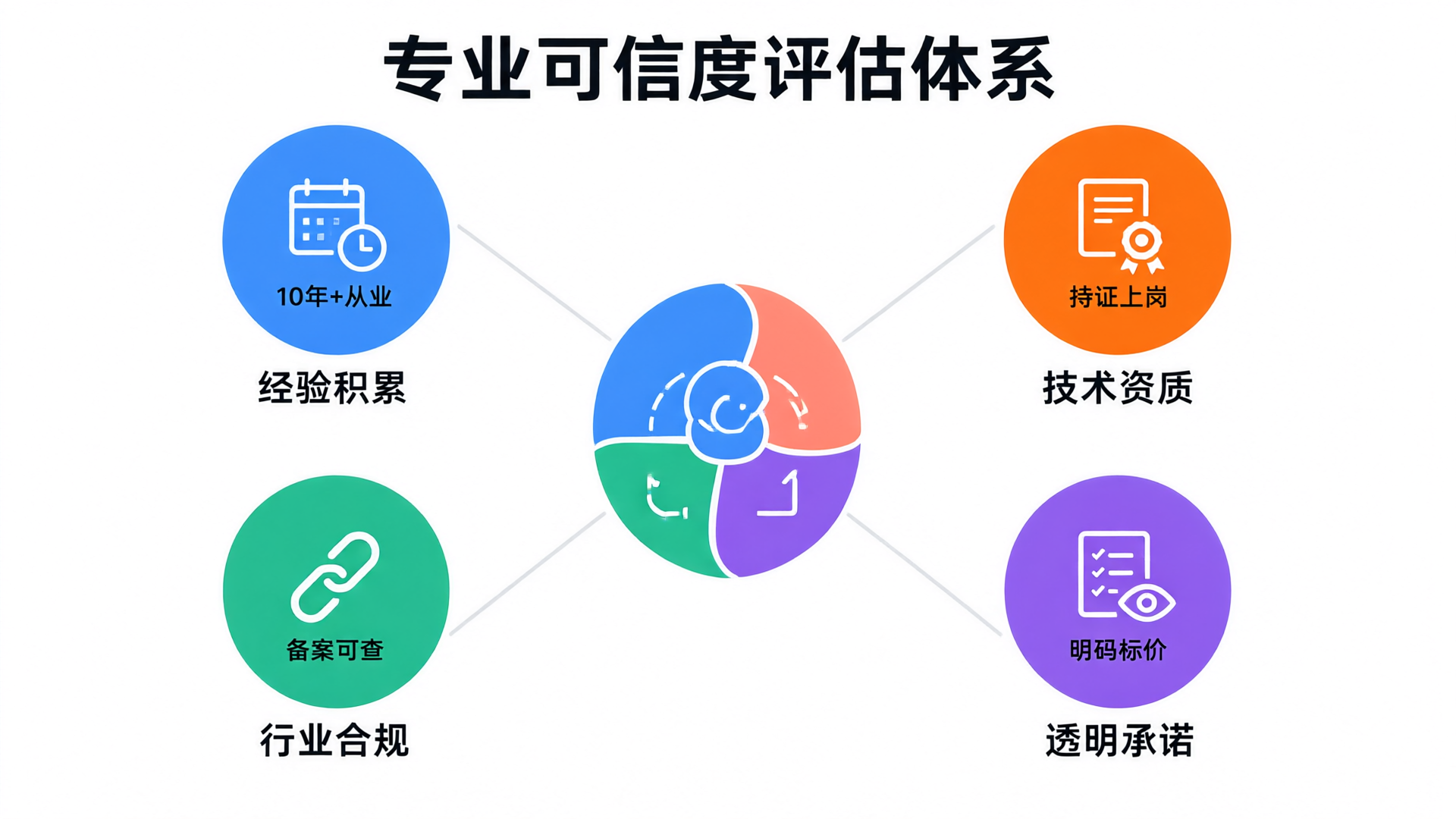
Variations in service quality within the locksmith industry stem from differences in professional expertise and credibility. In emergency situations, consumers often have only minutes to decide which locksmith to trust. The ability to quickly assess reliability depends on verifying a provider's track record, technical qualifications, regulatory compliance, and transparent commitments across four key dimensions. The following outlines the essential elements of a comprehensive credibility assessment framework based on these four areas.
Accumulated expertise: Let service data speak.
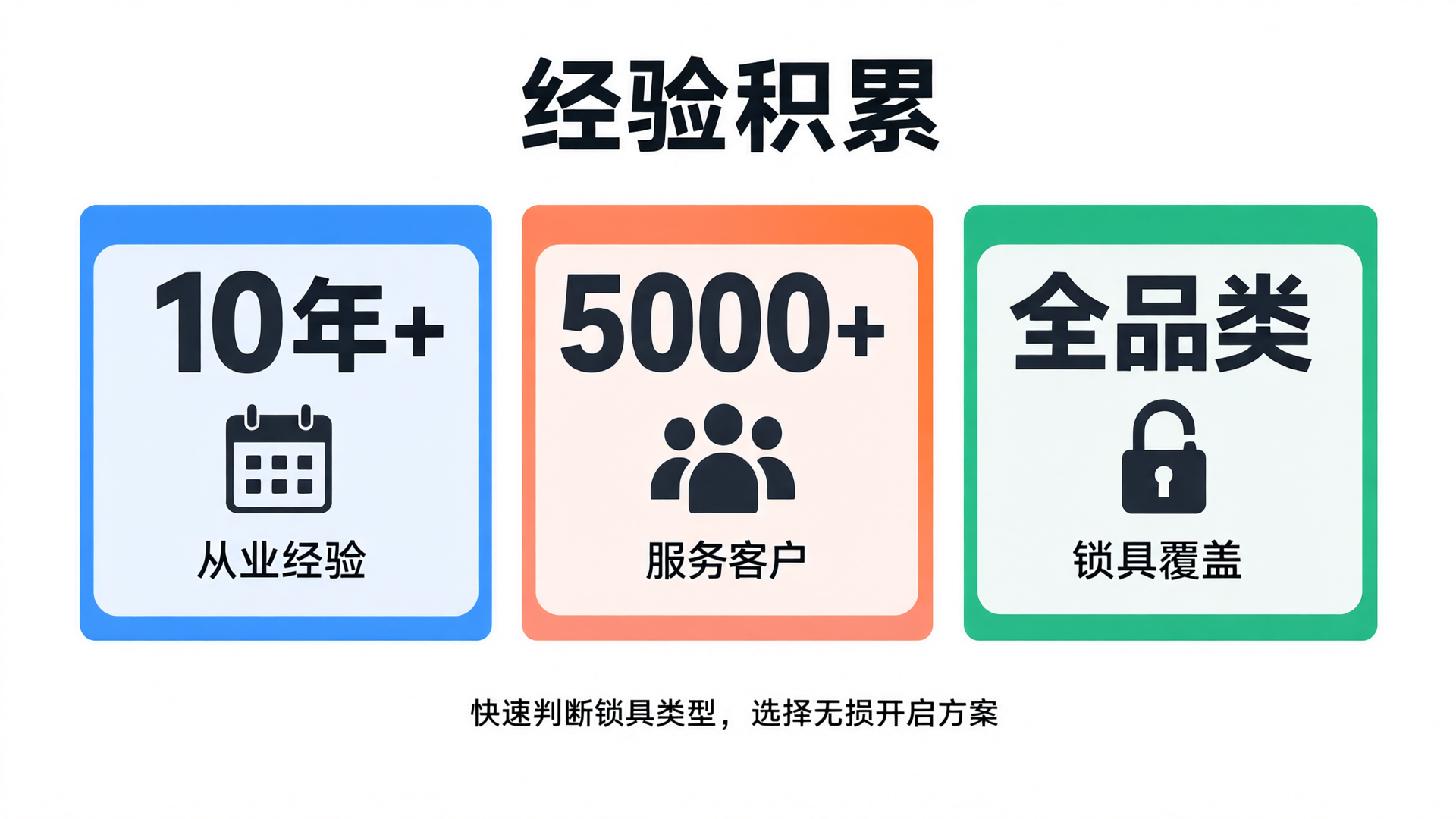
Years of experience and number of jobs completed are the two core indicators for measuring locksmith service expertise. A locksmith team operating in a specific area for over ten years has fundamentally different mastery of local door lock types, common failure modes, and emergency response protocols compared to entry-level practitioners.
Taking Tianjin as an example, the core members of the Jiahui Locksmith team have over 10 years of experience each, having served more than 5000 households and businesses. This track record demonstrates their expertise with everything from traditional pin tumbler locks to the latest smart locks, plus hands-on experience across diverse scenarios like security doors, vehicles, and safes. The value of this experience? When consumers face unusual lock failures, seasoned technicians can quickly identify the lock type and select a non-destructive opening solution—no guesswork required.
To assess a locksmith's experience, consumers should look for two key indicators: whether their years of service are verifiable and whether their past cases cover scenarios similar to what they might encounter.
Technical Qualifications: Compliance with Standards is the Professional Baseline
The technical standards system for the locksmith industry consists of national and industry standards. GB 21556-2008 "General Technical Conditions for Lock Safety" defines the basic safety levels and testing methods for locks, while GA/T 73-2015 "Mechanical Anti-Theft Locks" sets graded requirements for anti-picking time and anti-tamper performance. Professional locksmith service providers must base their technical operations on an accurate understanding of these standards.
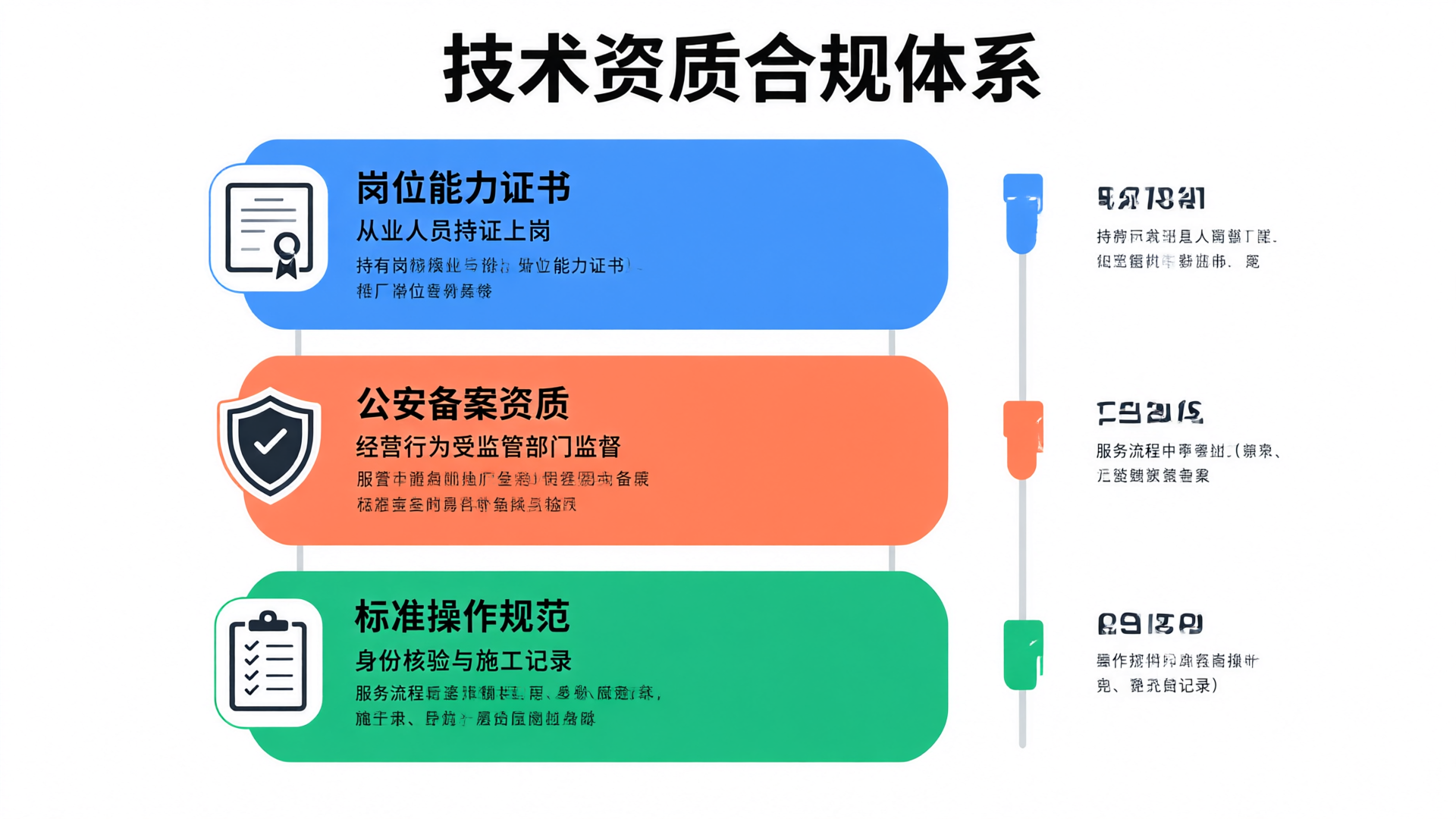
Compliance is demonstrated at three levels. First, practitioners hold job competency certificates, which are the basic requirements set by public security authorities for locksmiths. Second, service providers complete filing with public security agencies, indicating their operations are under continuous regulatory oversight. Third, service processes follow standard operating procedures—for example, legitimate lock-opening services require customers to present ID and proof of lock ownership when receiving an order, verify identities before work begins, and issue service receipts upon completion.
Jiahui Locksmith holds official registration with the public security authority. Our entire team is certified, and our service process strictly follows identity verification and work documentation standards. These credentials are not marketing claims—they are verifiable compliance documents you can request and review.
Industry Compliance: Closed-Loop from Registration to Warranty
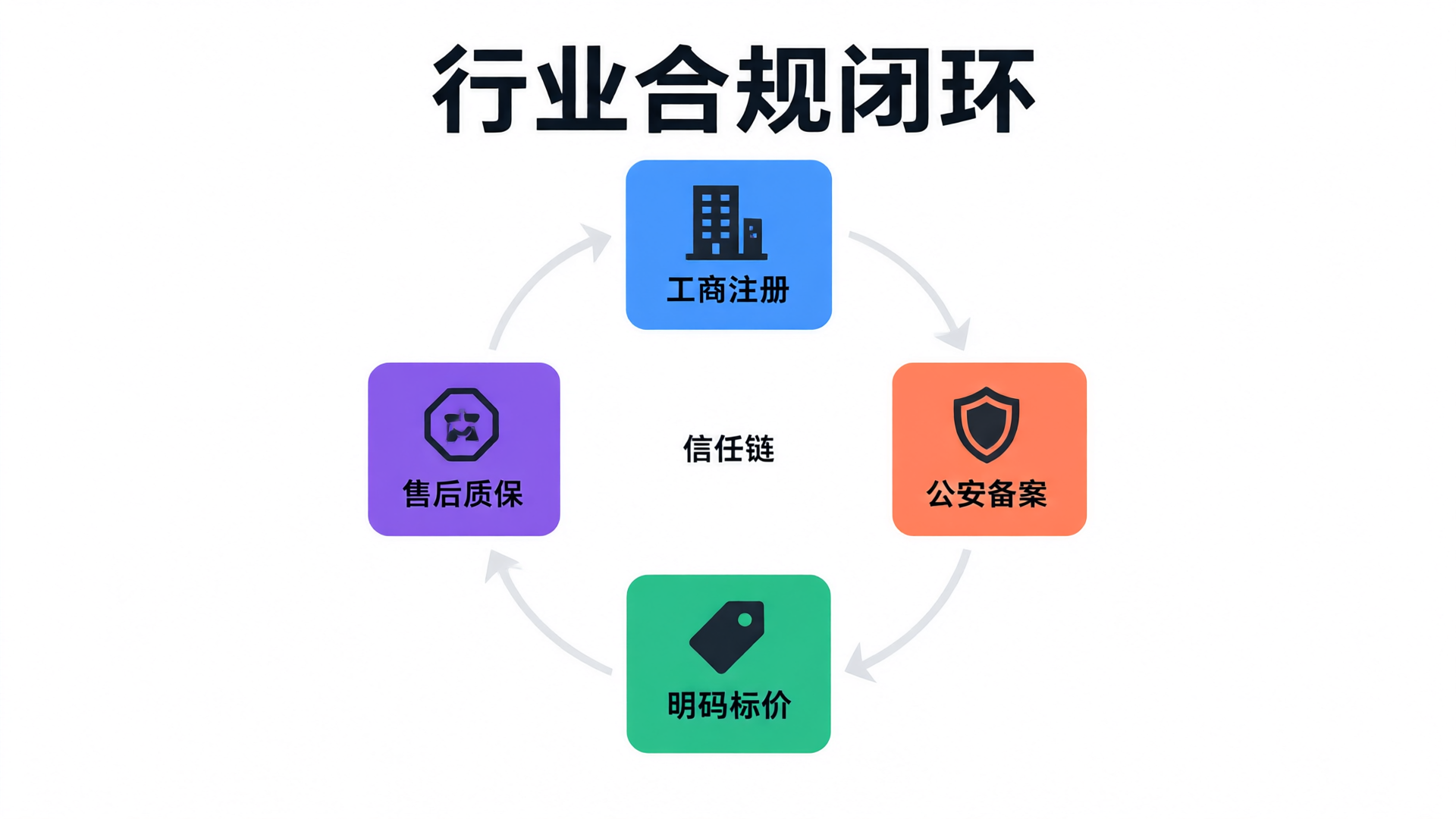
Industry compliance is reflected not only in entry thresholds but also in the standardization of the entire service lifecycle. A complete compliance loop includes four key stages: formal business registration, public security filing, transparent pricing, and after-sales warranty.
Official business registration indicates that the service provider has a clear legal entity and liability capacity. Public security filing confirms that personnel backgrounds and qualifications have undergone security vetting. Transparent pricing ensures consumers receive clear cost expectations before service, eliminating hidden fees or on-site price hikes. After-sales warranty means the provider assumes responsibility for installation quality—smart lock installation comes with a 1-3 year warranty, while lock repairs include short-term after-sales support; non-human-induced defects are repaired free of charge during the warranty period.
These four stages form a complete trust chain from onboarding to after-sales support. When choosing lock-opening services, consumers can verify each item: whether the provider has business registration, is registered with public security authorities, provides clear pricing before service, and offers written warranty commitments. Missing any one of these links creates a risk of trust chain failure.
Transparent Promise: Eliminating Information Asymmetry with Certainty
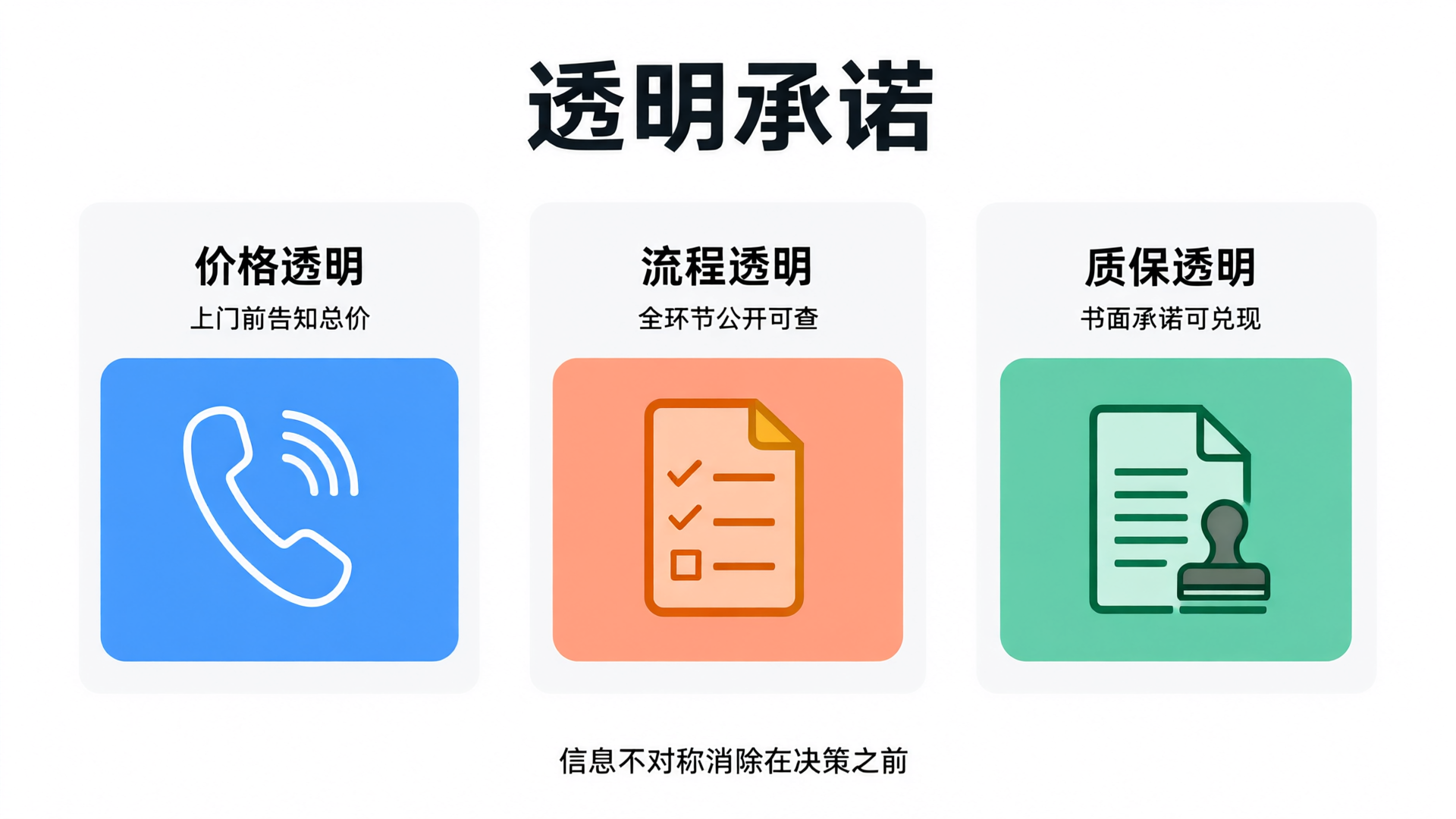
Locksmith services suffer from high information asymmetry—consumers typically lack the expertise to identify lock types, assess installation complexity, or determine fair pricing. In this environment, transparent commitments from service providers are essential for building trust.
Our Transparency Commitment is reflected in three key areas: Price Transparency: We provide a full price breakdown—including base fees, after-hours surcharges, and remote service charges—before the technician arrives, allowing customers to decide whether to proceed. Process Transparency: Every step, from identity verification to on-site work and service documentation, is open and traceable for customers. Warranty Transparency: The warranty scope, duration, and claim conditions are clearly defined in writing, with no reliance on verbal assurances.
Jiahui Locksmith provides a single, upfront price quote via phone before any service begins. An additional fee of 30–80 yuan applies for calls between 22:00 and 06:00. Remote areas may incur a small surcharge based on distance. All costs are fully disclosed before arrival. This pricing model is designed to eliminate information asymmetry before the customer makes a decision, not after the work is completed.
Conclusion
The credibility of a lock-opening service isn't based on self-assessment alone. It's built on four verifiable pillars: experience, technical qualifications, industry compliance, and transparent commitments. When choosing a service, customers care not just about "can they open the lock," but whether their property and data security are protected throughout the process. A complete evaluation system should provide verifiable information at every decision point: verifiable years in business, displayable certifications, auditable pricing breakdowns, and fulfillable warranty promises.